shipslides
Examples/Mythology
Vol. XVII / 16 decks

Mythology

Greek, Norse, Egyptian, Hindu, Mesoamerican, African, and Pacific mythic systems. Browse curated, sandboxed HTML presentation decks in Mythology, each with crawlable summaries, slide outlines, and topic metadata.

16
Decks
495
Slides

Mythology presentation hub

This collection gathers sandboxed HTML presentation decks for readers who want structured, visual introductions instead of a static document. Each indexed deck includes a summary, slide outline, topics, and a standalone viewer link when the deck passes the editorial quality gate.
Mythology30 slides

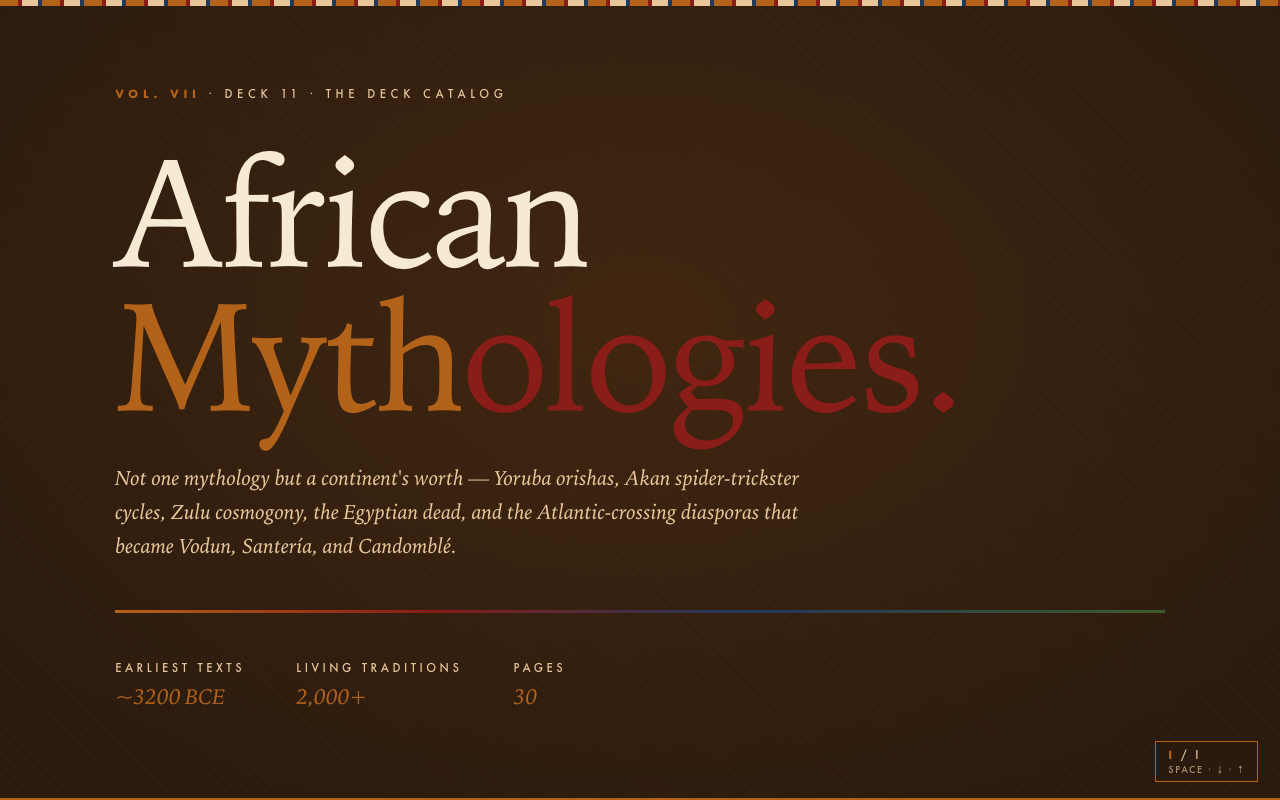
African Mythology

There is no "African mythology" in the singular — Africa contains roughly two thousand language groups, and a comparable count of distinct mythic traditions. What follows samples a few of the largest and the most generative.

Mythology31 slides

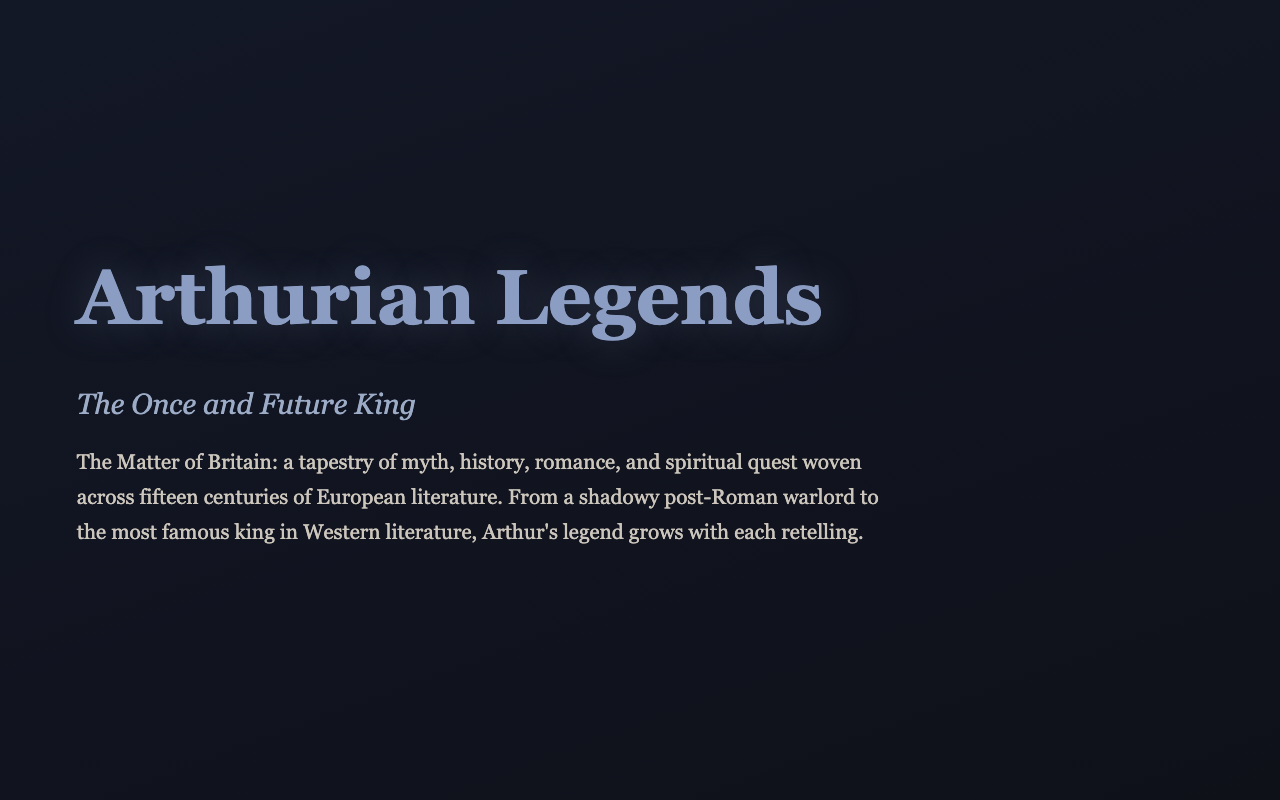
Arthurian Legends

The Once and Future King

Mythology30 slides

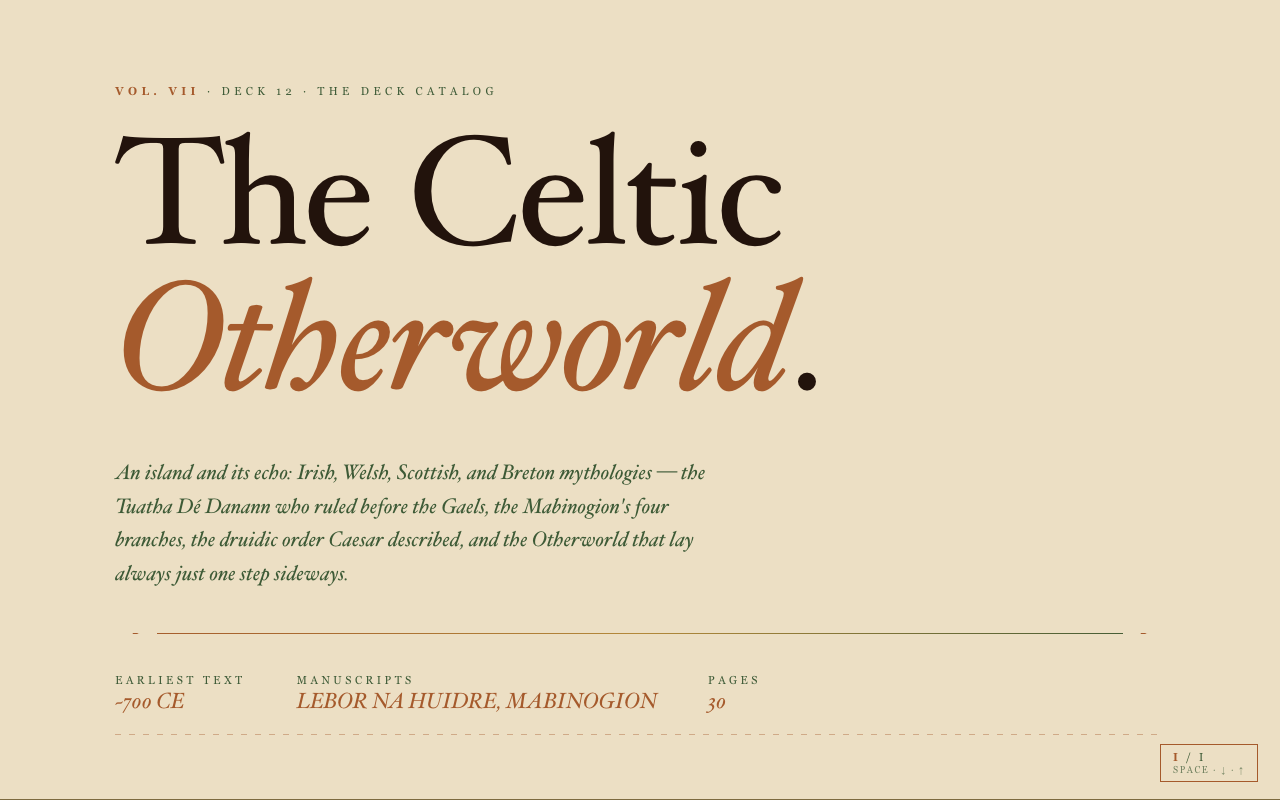
Celtic Mythology

The Celts had no scripture. Their priestly class — the druids — taught the gods orally and would not commit the doctrines to writing. So when Christianity arrived, the old religion did not survive in its own voice; it survived in the manuscripts of monks who recorded the stories anyway, half as literature, half as catechism's negative.

Mythology37 slides

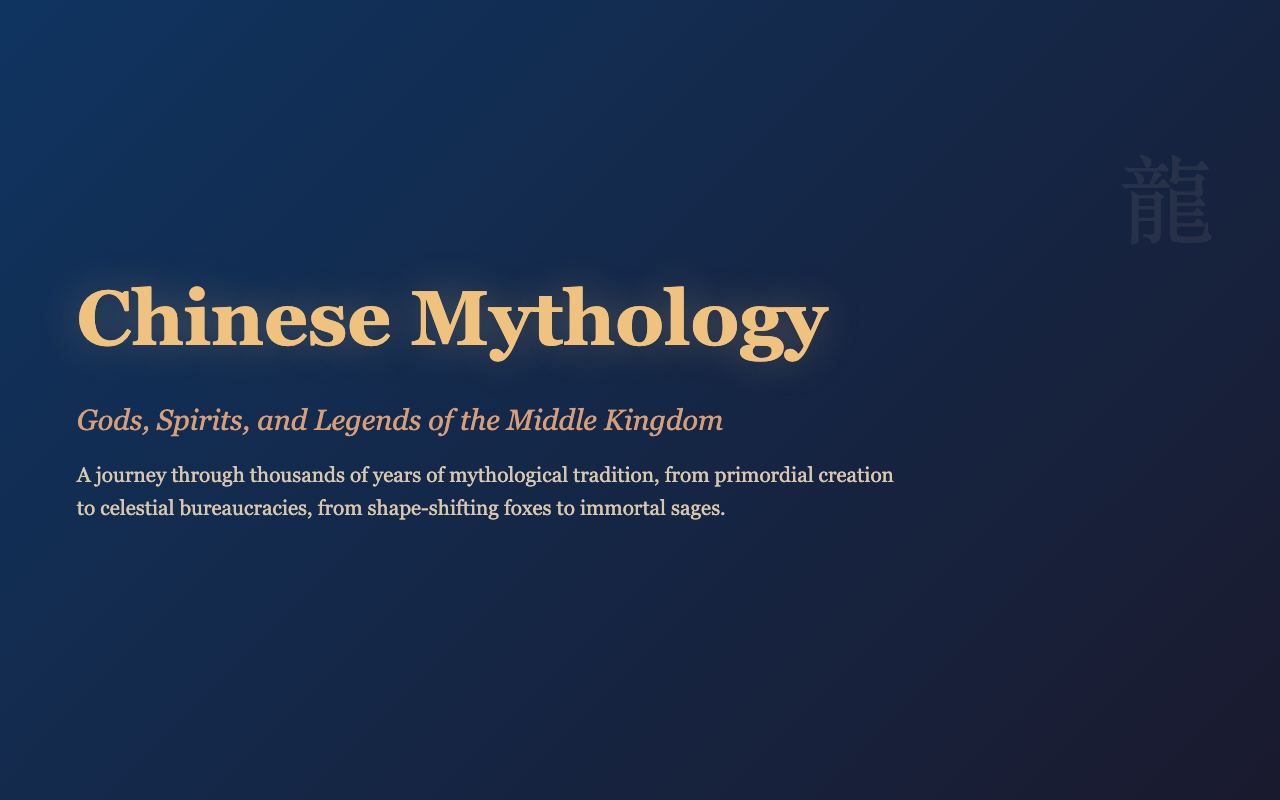
Chinese Mythology

Gods, Spirits, and Legends of the Middle Kingdom

Mythology30 slides

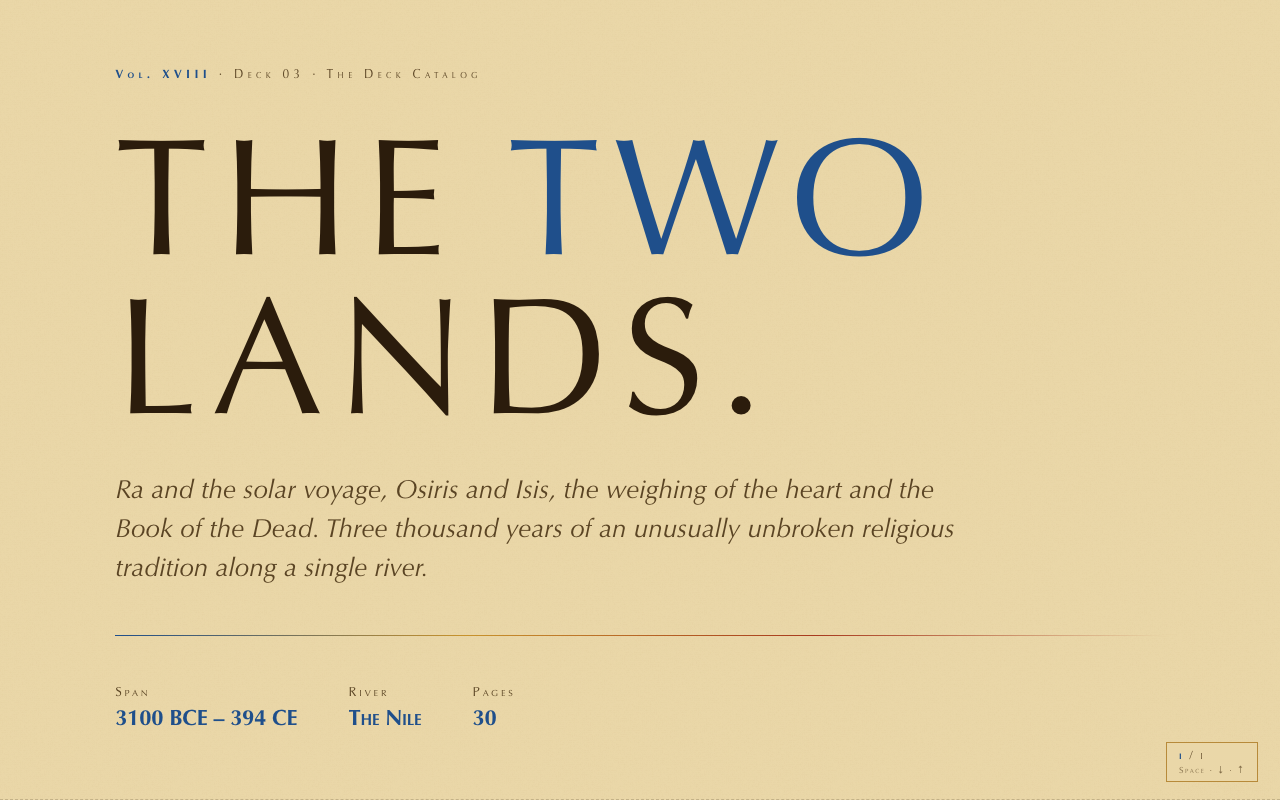
Egyptian Mythology

Egyptian religion ran continuously for longer than any other system in this volume — from the unification of Upper and Lower Egypt around 3100 BCE to the final closure of the temple of Isis at Philae by Justinian in 537 CE. The basic cosmology stayed remarkably stable across that span.

Mythology32 slides

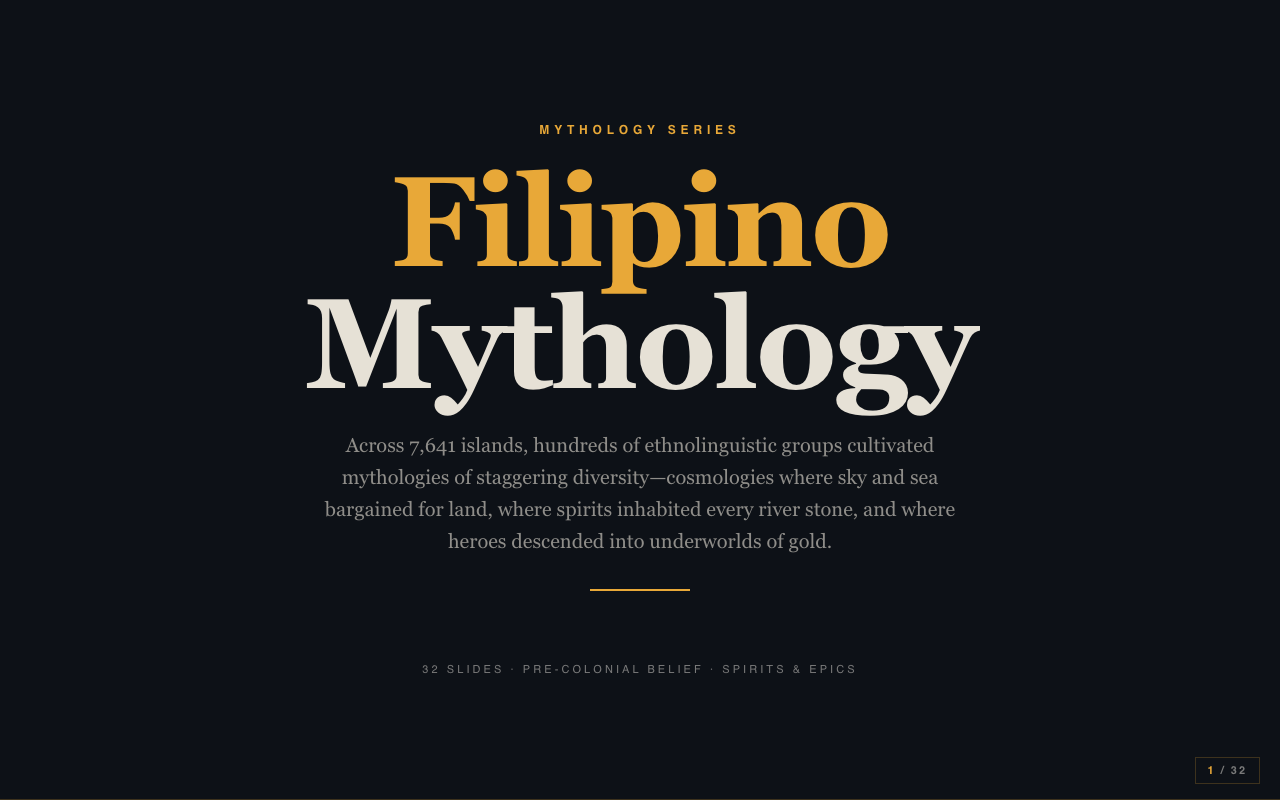
Filipino Mythology — Spirits, Gods, and the Living Archipelago

Before Spanish colonization in 1565, the Philippine archipelago possessed written scripts, sophisticated trade networks, and rich oral traditions that rival any world mythology in complexity.

Mythology30 slides

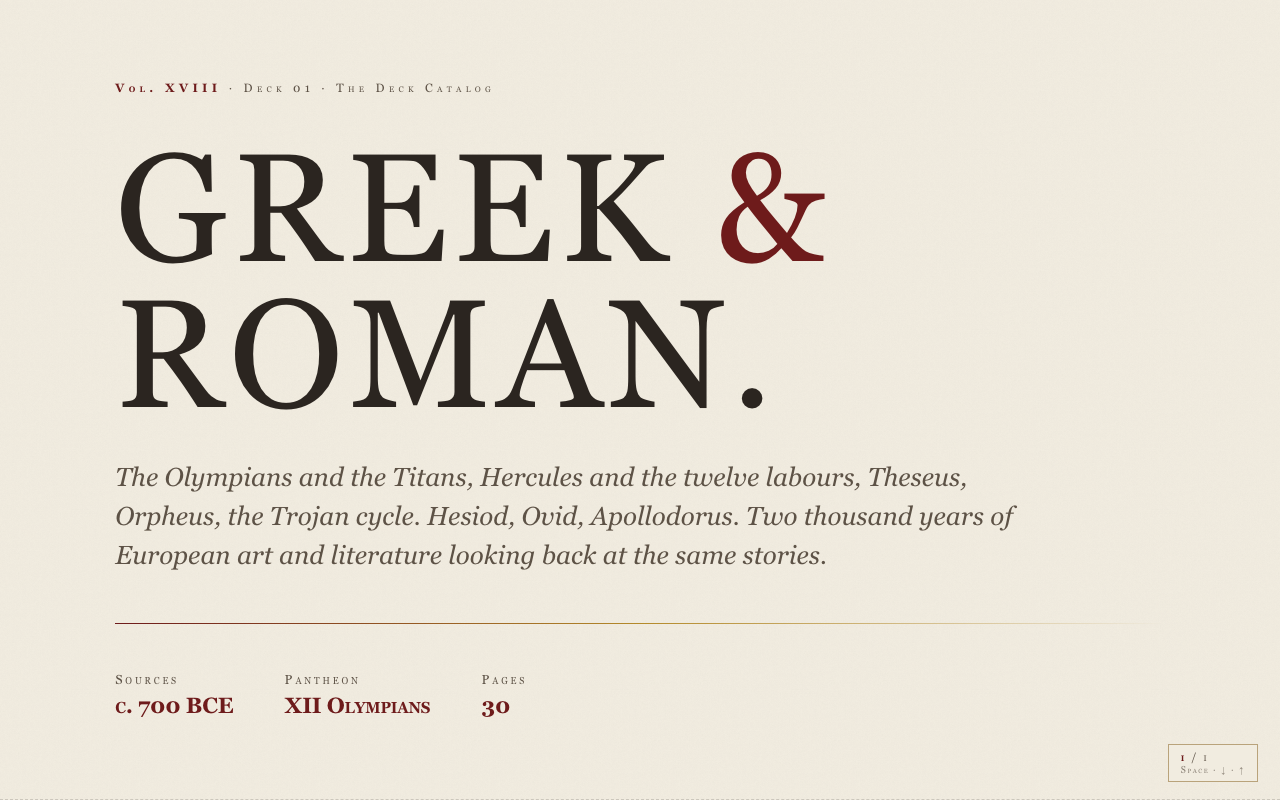
Greek & Roman Mythology

No mythological system has been more relentlessly read, painted, sculpted, staged, and rewritten than the Greek. Two and a half millennia of European art assumes you know who Hera is and what Achilles did wrong.

Mythology31 slides

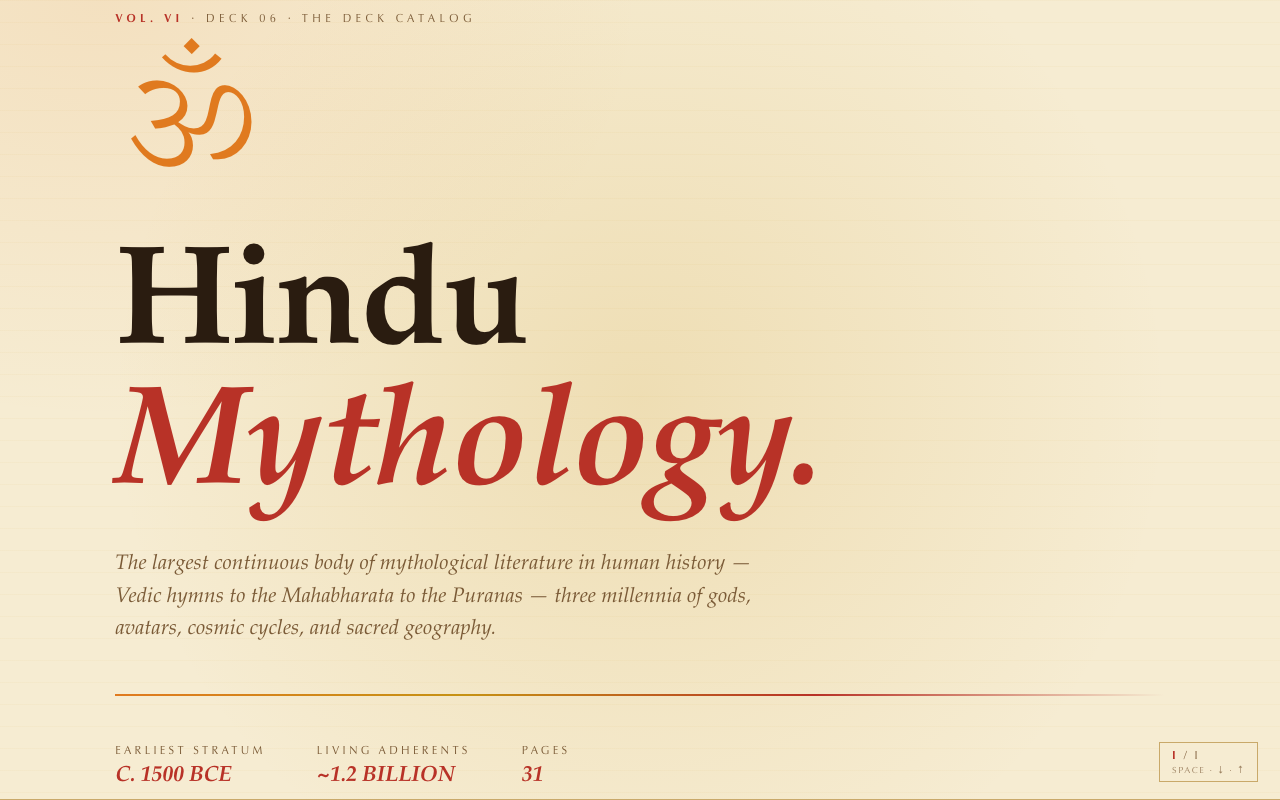
Hindu Mythology

Not one mythology but a layered, polyvalent literature — Vedic, epic, Puranic, regional — accumulating over three thousand years and still being told today.

Mythology31 slides

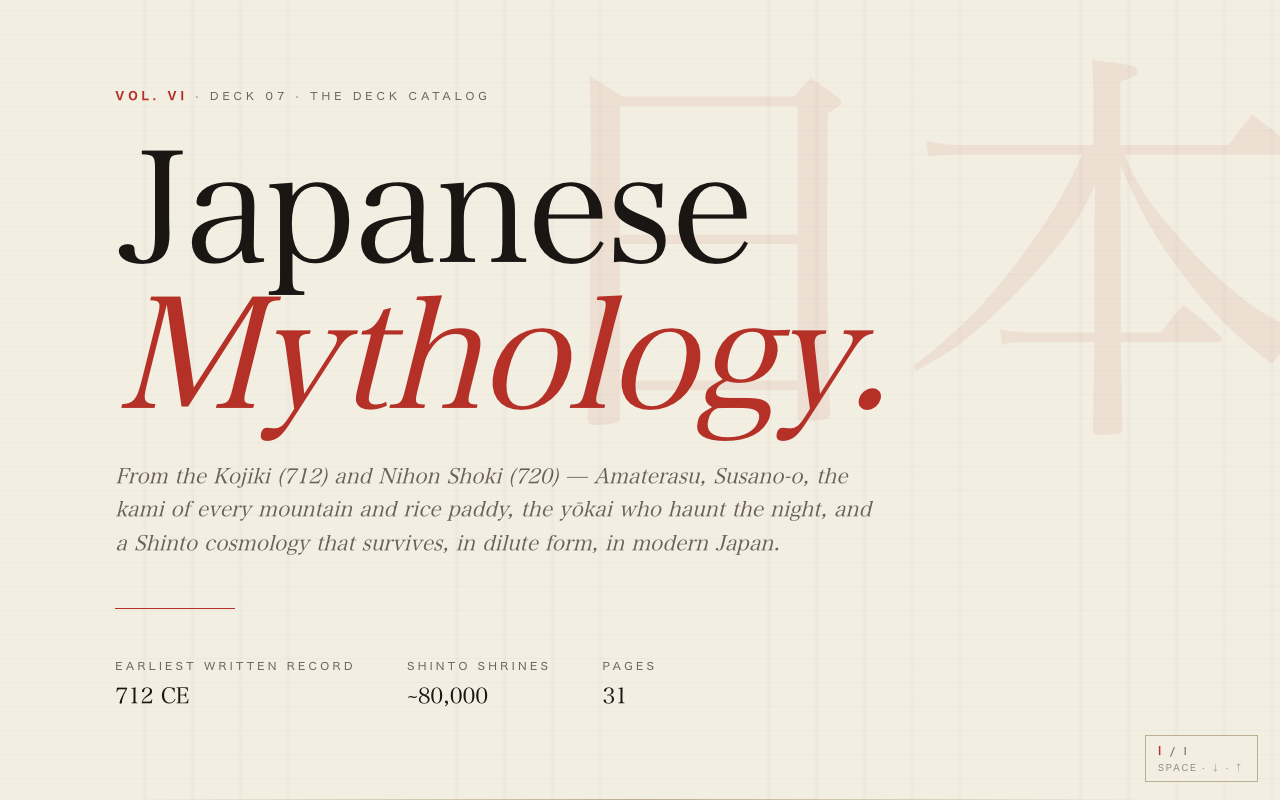
Japanese Mythology

A native cosmology of place and ancestry — kami in everything — overlaid by 1,500 years of Buddhism and Confucianism, written down in two 8th-century imperial chronicles, and visible everywhere in modern Japanese culture from Studio Ghibli to the new emperor's enthronement rite.

Mythology30 slides

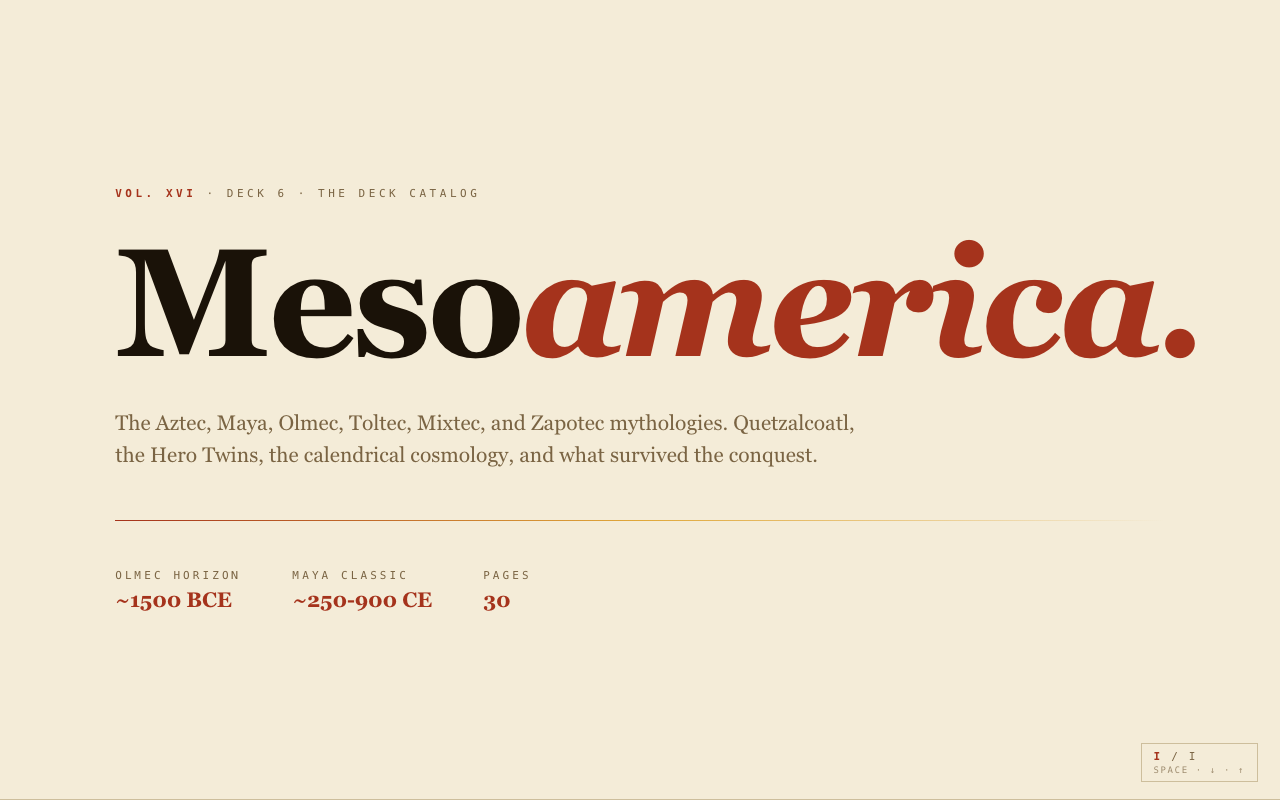
Mesoamerican

Mesoamerican mythologies — the religious cosmologies of the peoples between central Mexico and Honduras — are among the most fully developed pre-Columbian intellectual traditions in the Americas. They produced calendars precise to seconds, astronomy that predicted Venus cycles, and a literary tradition we are still reading.

Mythology30 slides

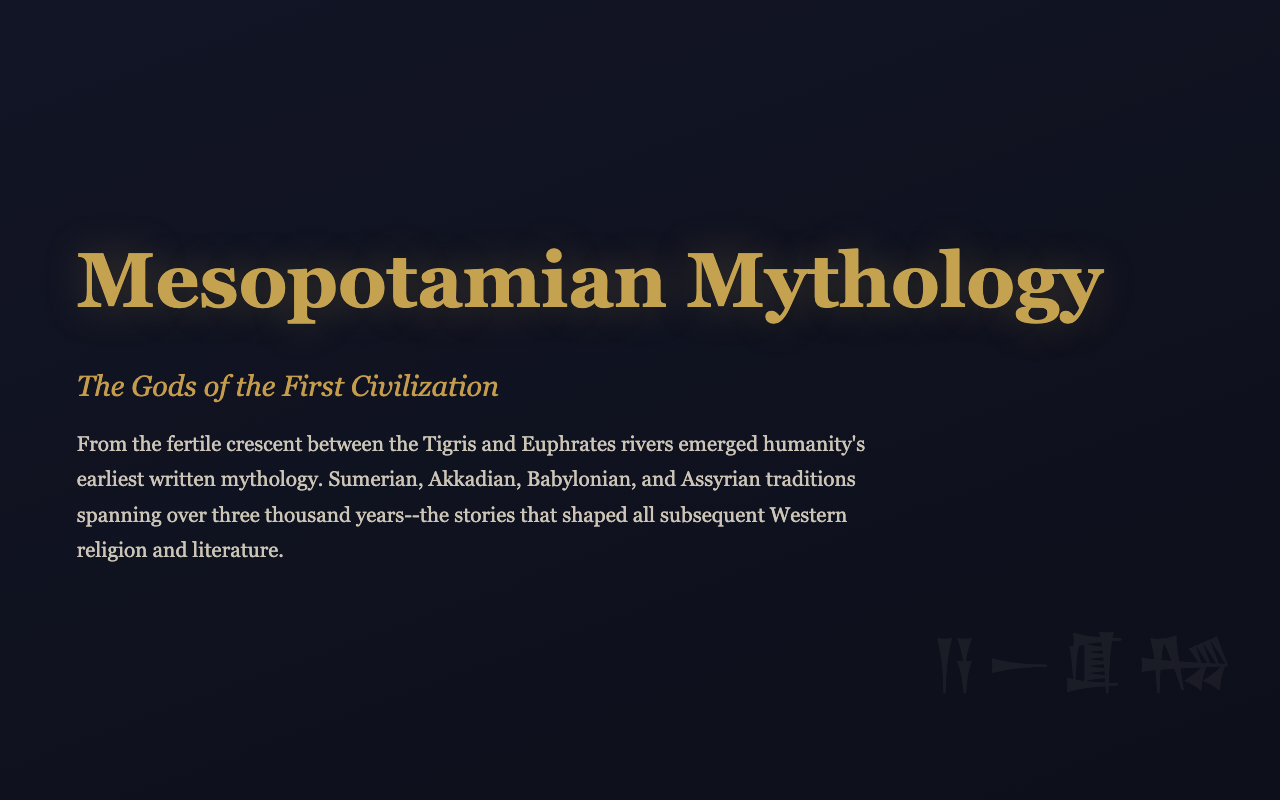
Mesopotamian Mythology

The Gods of the First Civilization

Mythology33 slides

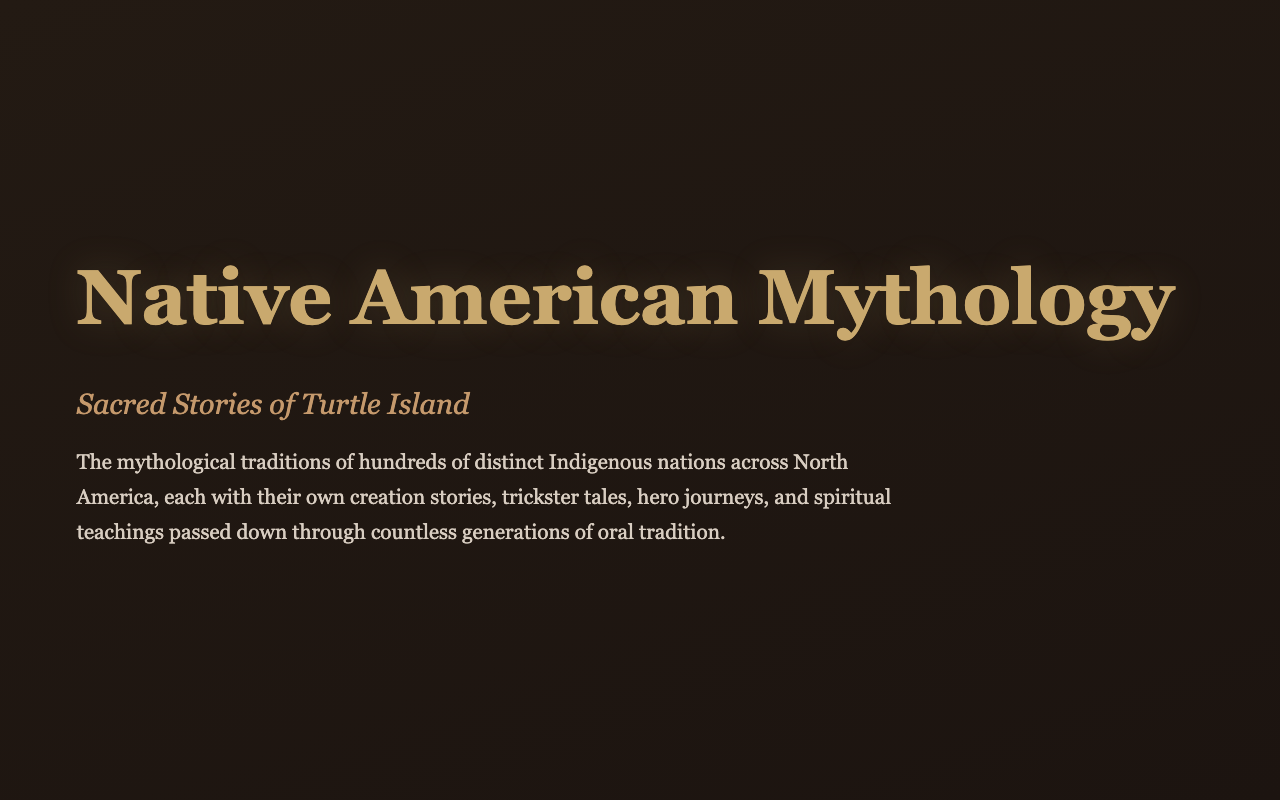
Native American Mythology

Sacred Stories of Turtle Island

Mythology30 slides

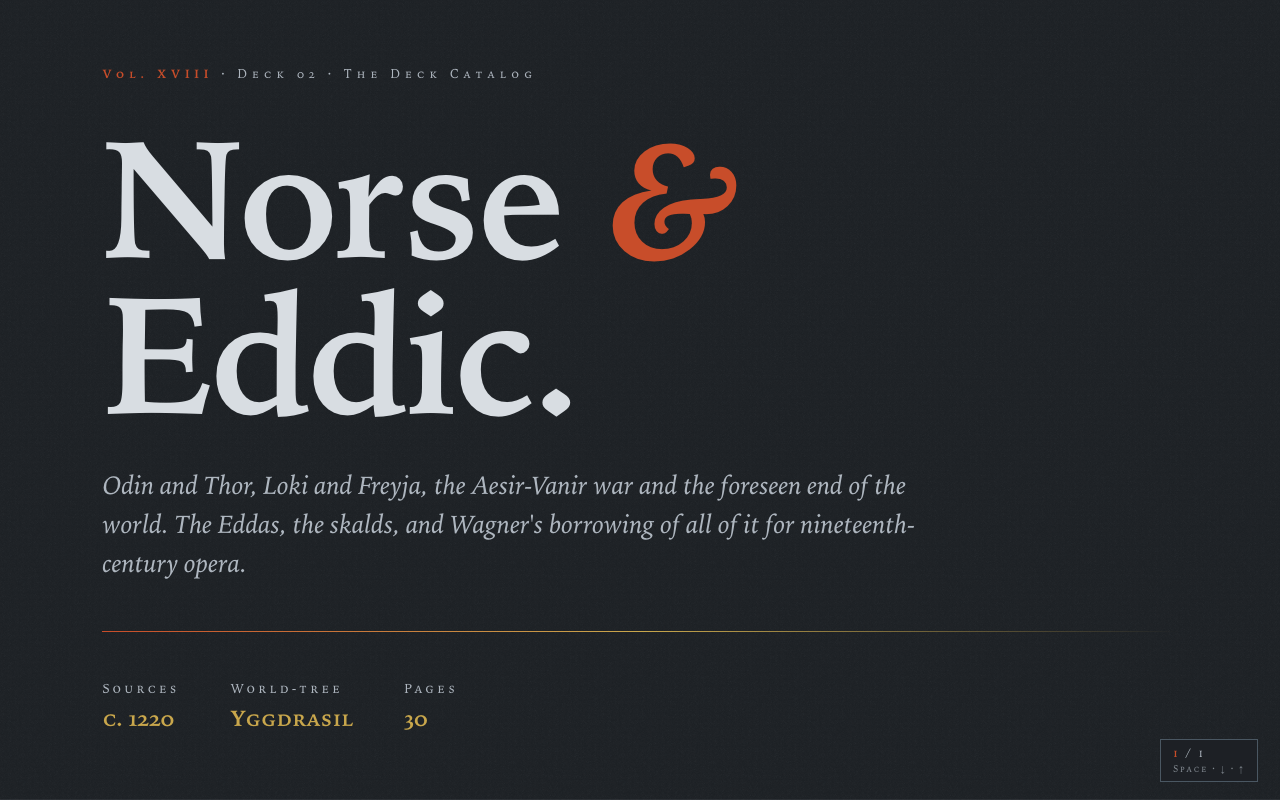
Norse Mythology

The Norse gods are unique among the major mythological systems in knowing, from the start, how the world ends. They lose. They fight anyway.

Mythology30 slides

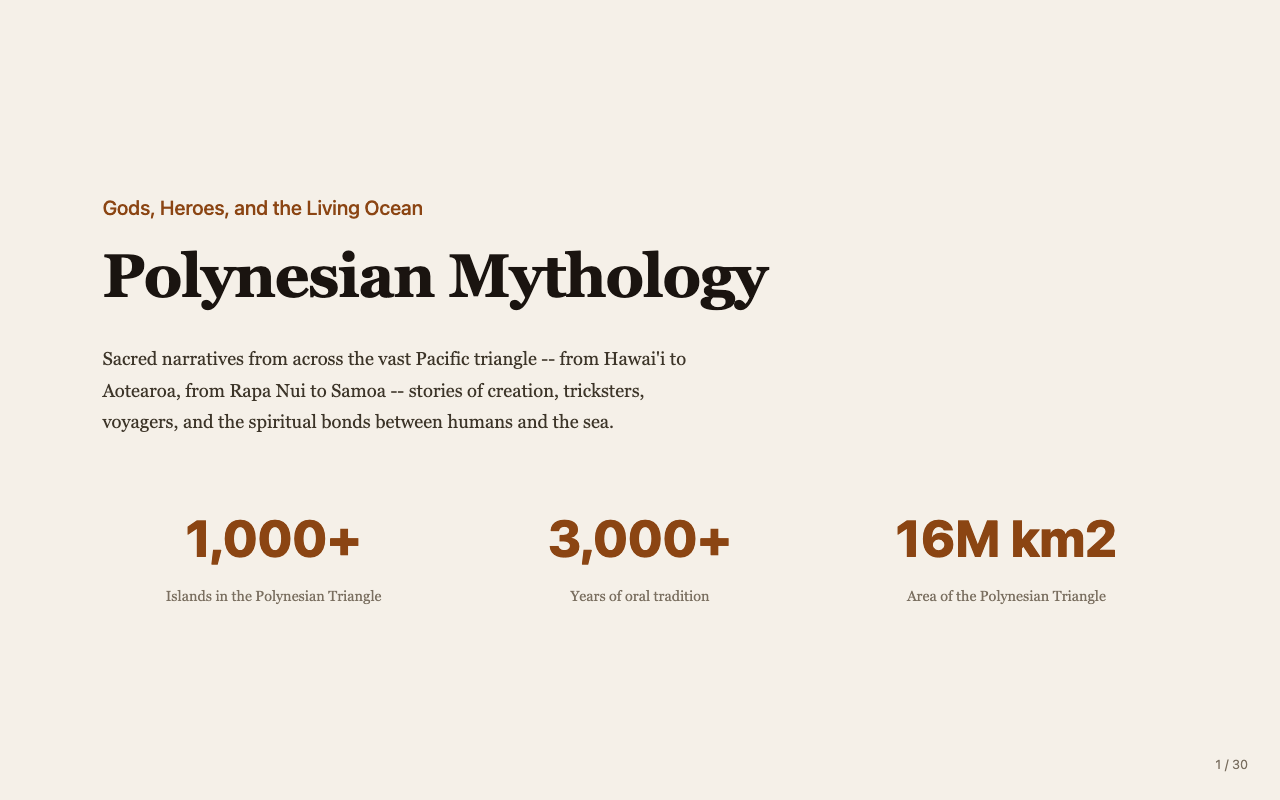
Polynesian Mythology

Gods, Heroes, and the Living Ocean

Mythology30 slides

Slavic

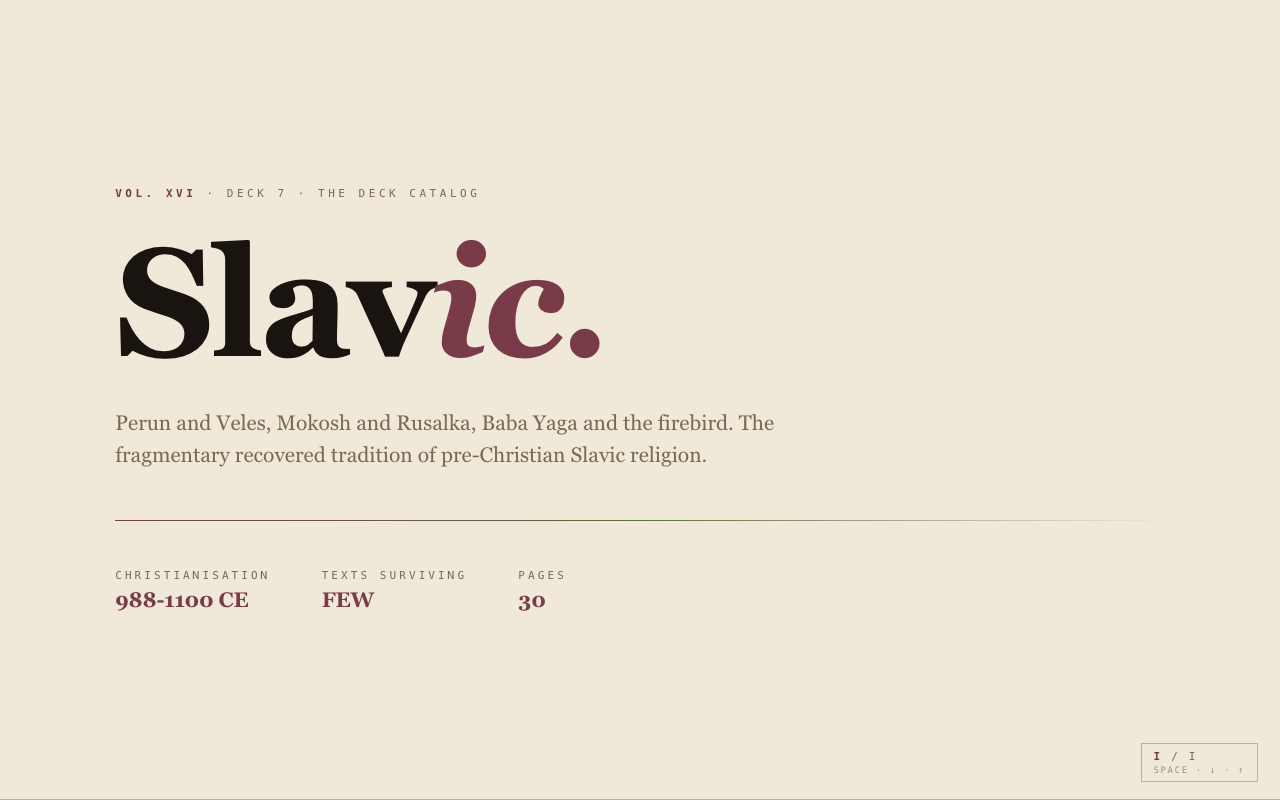
Slavic mythology is what we can reconstruct from fragments. Pre-Christian Slavic religion was largely oral; its conversion to Christianity (988 CE in Kiev under Vladimir, parallel processes elsewhere) was substantially complete by 1100. Christian chroniclers were systematic in suppressing what they could not absorb.

Mythology30 slides

Comparative

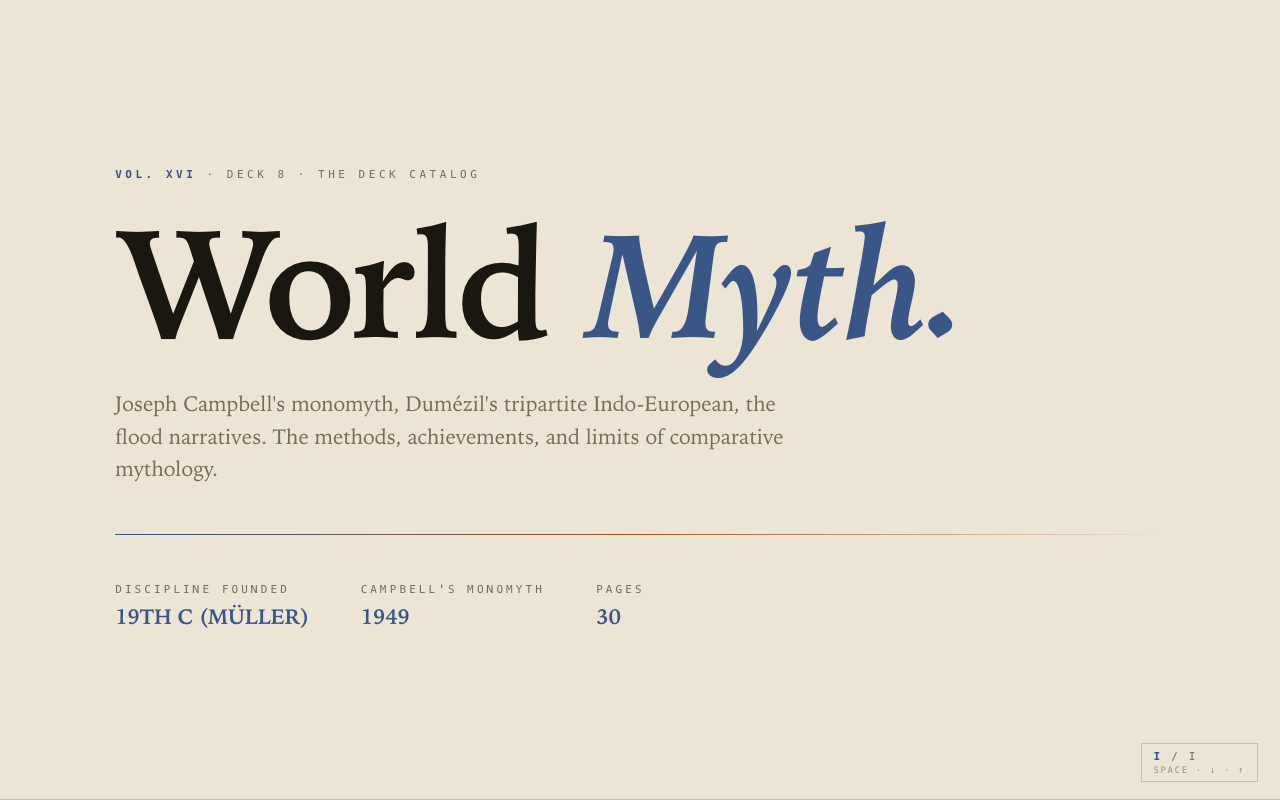
Comparative mythology is the study of structural and thematic parallels across human mythological traditions. It claims that certain narratives, character types, and cosmological structures recur cross-culturally — and offers explanations for why.